Malta at a glance
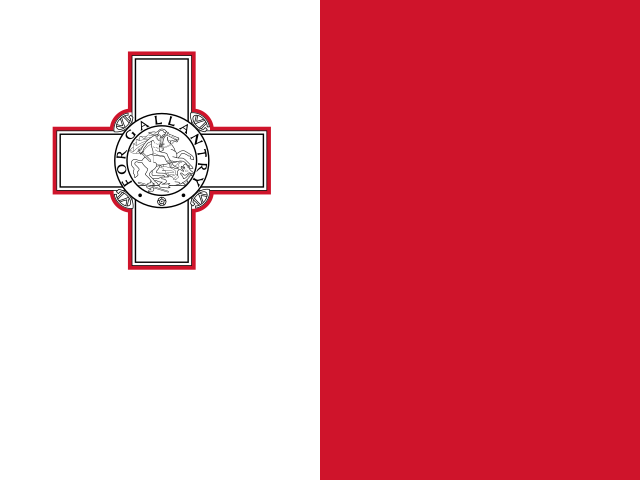
Malta is a small Mediterranean island nation, a member of both the European Union and the Schengen Area, with English as an official language. Its economy is driven by tourism, hospitality, healthcare, financial services and gaming.
Third-country nationals who wish to work in Malta generally need an employer in Malta who applies on their behalf for a permit that combines the right to live and work, through the official Maltese authority responsible for expatriates. After approval, the worker applies for the relevant national visa to travel. Students apply after admission to a recognised Maltese institution.
Because Malta is popular and its labour policies are updated regularly, we focus on helping you understand the current general process, verifying employer details and building a consistent file. Decisions are made solely by the Maltese authorities.
Who Malta suits
- Hospitality, care and service-sector workers with a genuine offer
- English-speaking students looking for EU study options
- Professionals seeking an EU base with an English-speaking environment
- Tourists visiting under Schengen short-stay rules
Common pathways to Malta
Employment (single permit)
Employer-led application for a combined residence and work permit, followed by a national visa.
Study
Admission to a recognised institution followed by a study visa application.
Short visits
Tourism and business visits under Schengen short-stay visa rules.
The general process, step by step
- 1Consultation and eligibility review
- 2Employer offer verification
- 3Employer submits permit application in Malta
- 4National visa application and documents
- 5Pre-departure and arrival guidance
Documents typically needed
Requirements may vary by visa category, nationality and the latest official rules. We provide a personalised checklist during consultation.
- Valid passport
- Signed employment contract
- Qualifications and experience evidence
- Police conduct certificate
- Health insurance
- Accommodation details in Malta
How Shah Orbit Global can help
Malta visa FAQs
Yes. English and Maltese are both official languages, which makes daily life easier for many newcomers.
In general, the employer in Malta submits the permit application. The worker then completes the visa process.
Family reunification has its own eligibility rules and is not automatic. We can explain the general conditions during consultation.
This page provides general information only and is not legal or immigration advice. Visa and permit decisions are made solely by the relevant authorities. Read our disclaimer.